People believe what others say about you far more than what you say about yourself. Make a product good enough that the press, and your customers, do the talking.
Other people’s opinions, news and trends are noise when you’re making something new. Cameron shut that out and built what he saw in his head, at full scale.
Thorp beat blackjack and then the markets by betting only when the math was on his side. If you don’t know what your edge is, you are the edge for someone else.
Land only wanted to work on things that would not happen without him. If a competent rival could build it, the reward is a price war. Go after problems that are hard enough that only you will solve them.
Holding a high standard hurts: you redo work, turn down easy money and disappoint people. The ones who can absorb that discomfort longest are the ones whose work ends up excellent.
Moderate effort gets moderate results in a world full of moderate effort. Land’s point is that real breakthroughs come from going much further than seems reasonable.
A problem is where the work is, and the work is where the money and the advantage are. Founders who treat problems as openings, not interruptions, keep finding things their competitors avoided.
Great opportunities come along a few times in a lifetime. Spreading your money and time evenly across everything means you never get the full benefit when one appears.
Most companies don’t fail from a lack of ideas. They fail because side projects and distractions slowly take attention away from the one thing that actually makes them work.
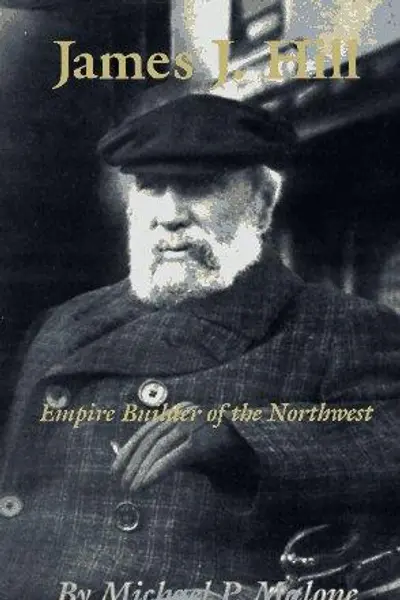
People at the edge of an industry aren’t trapped by how things are done. That freedom, plus nothing to lose, is how outsiders end up dominating the field.
Staying in the game for decades lets compounding do its work. A merely good business that survives fifty years usually beats a brilliant one that blows up in five.
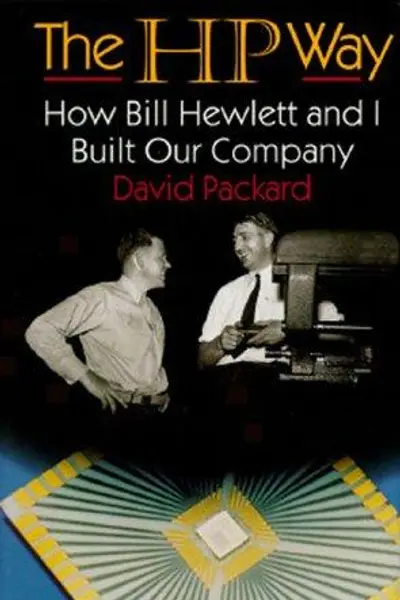
You can’t call Rockefeller or Carnegie for advice, but you can read them closely enough that they become mentors. Munger said he picked his heroes from history; Senra built a podcast around the same idea.
A founder’s job is to believe a better version of the thing is possible before anyone can see it. Pessimism sounds smart but builds nothing, so the builder has an obligation to stay hopeful.
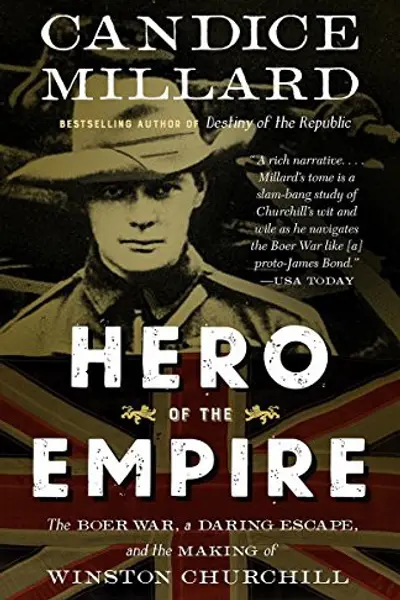
When you’re stuck, the answer is usually a bolder move, not a safer one. Young Churchill’s career was a string of chances other people were too cautious to take.
Most great businesses are built on an idea simple enough to explain in a sentence. The edge is not complexity; it’s taking that one idea more seriously than anyone else and executing it for decades.
Markets, tools and industries change. Greed, fear, pride and ambition do not. That is why a book about a railroad baron or an adman from 1920 can still predict how your competitors, customers and you will behave.
Nobody drifts into being the best at something. Buffett read and thought about businesses almost every waking hour; the intensity was the cost of entry, not a side effect.
Someone already spent a lifetime finding out what works. Reading their biography gives you that experience in a few evenings, so you can skip mistakes you would otherwise pay for yourself.